


Description
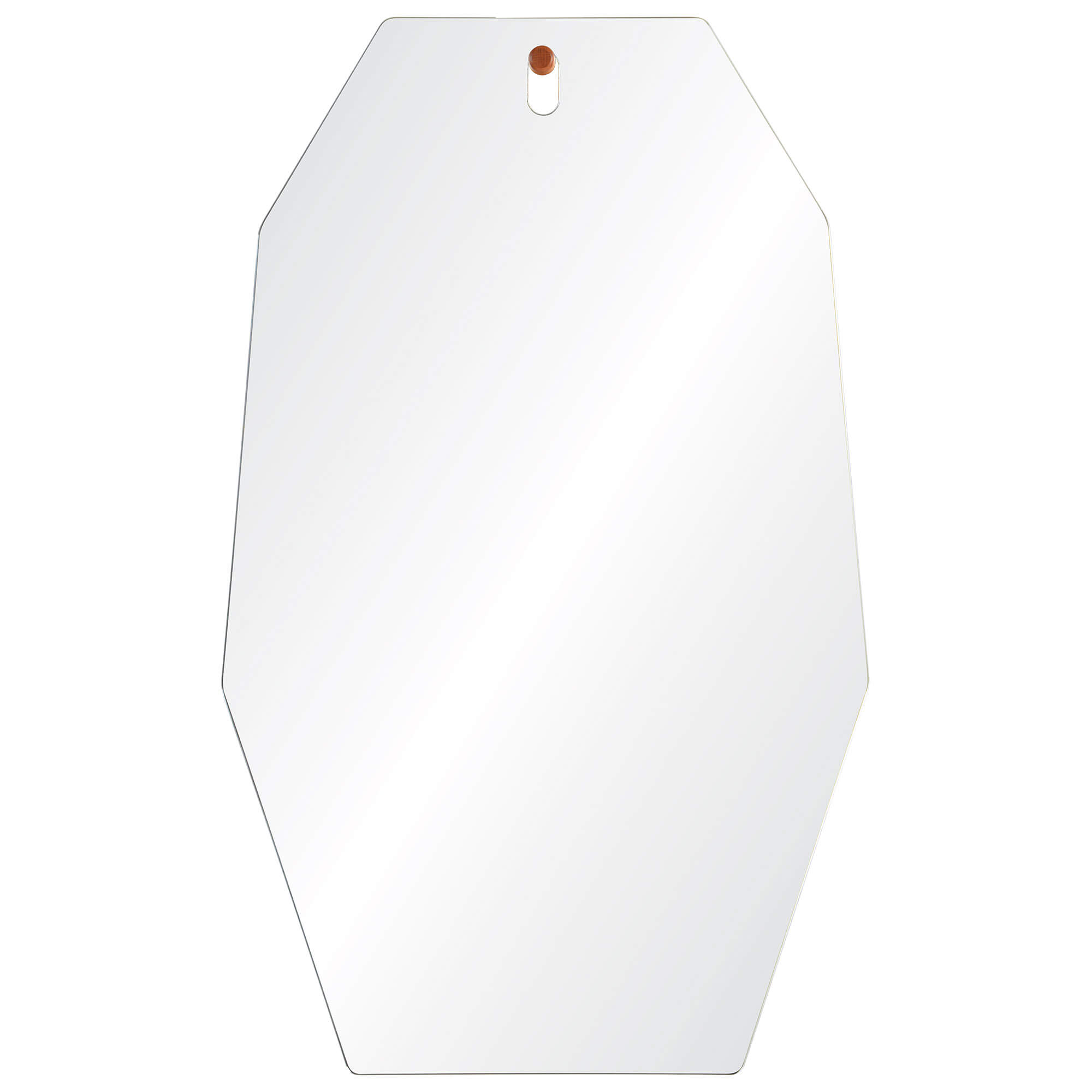
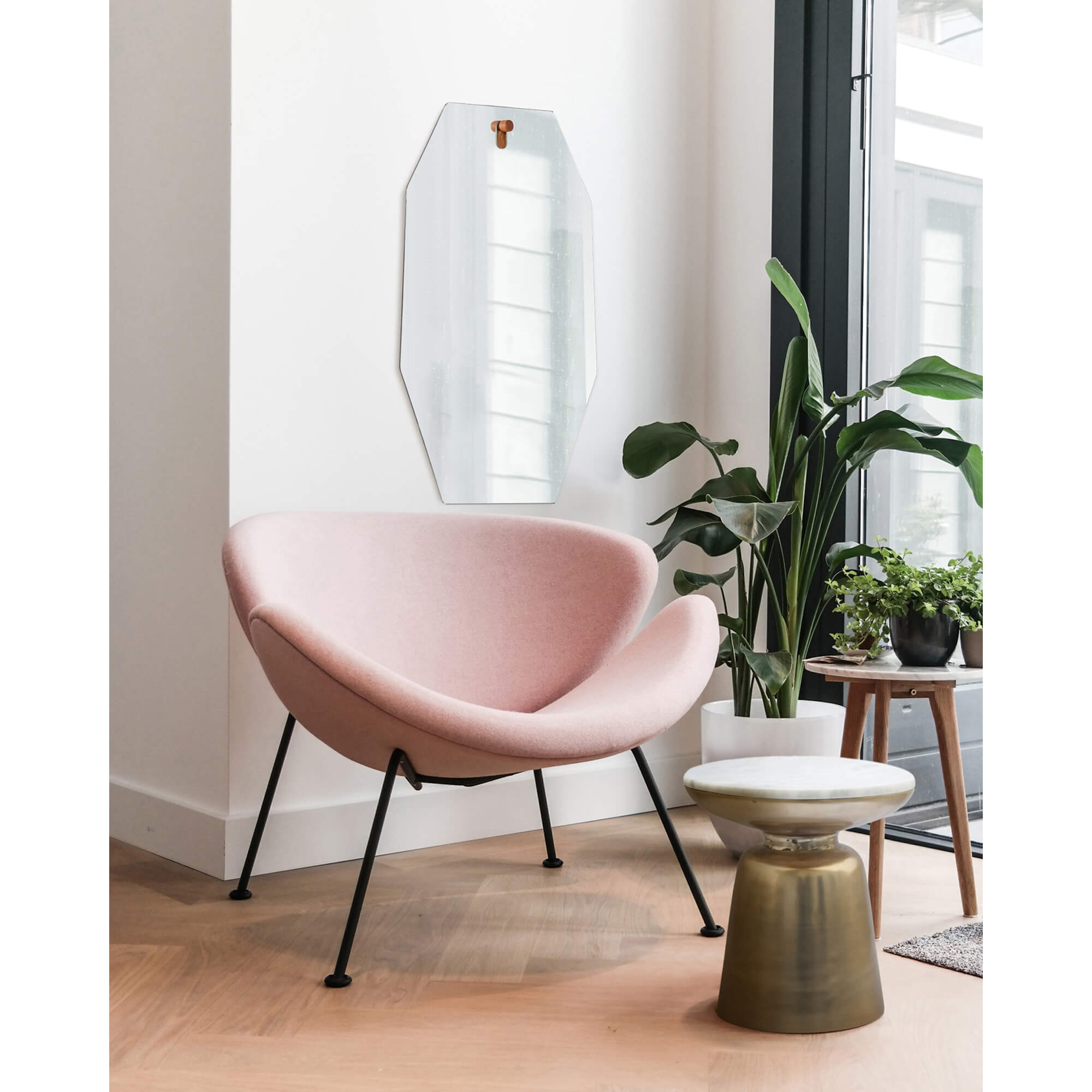
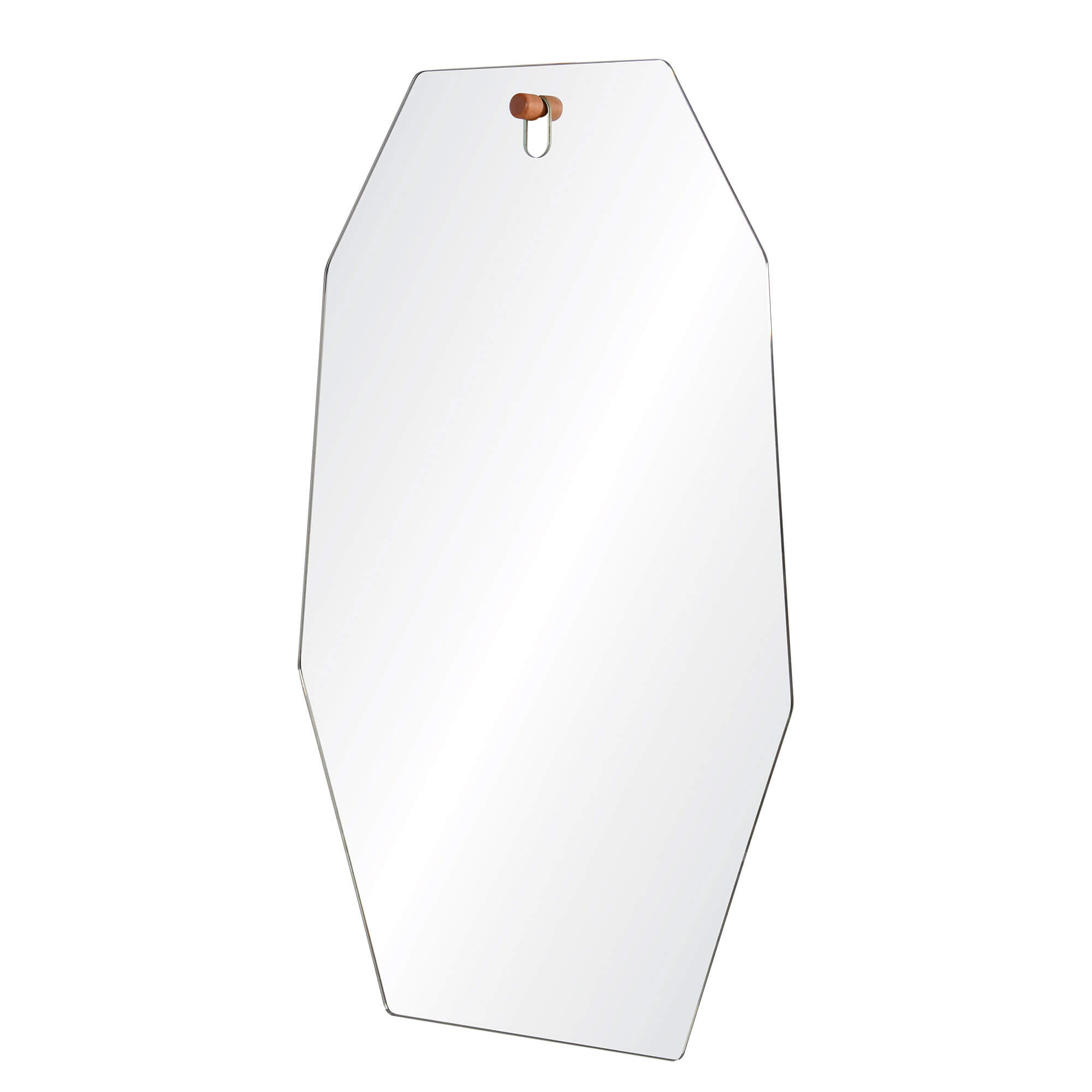
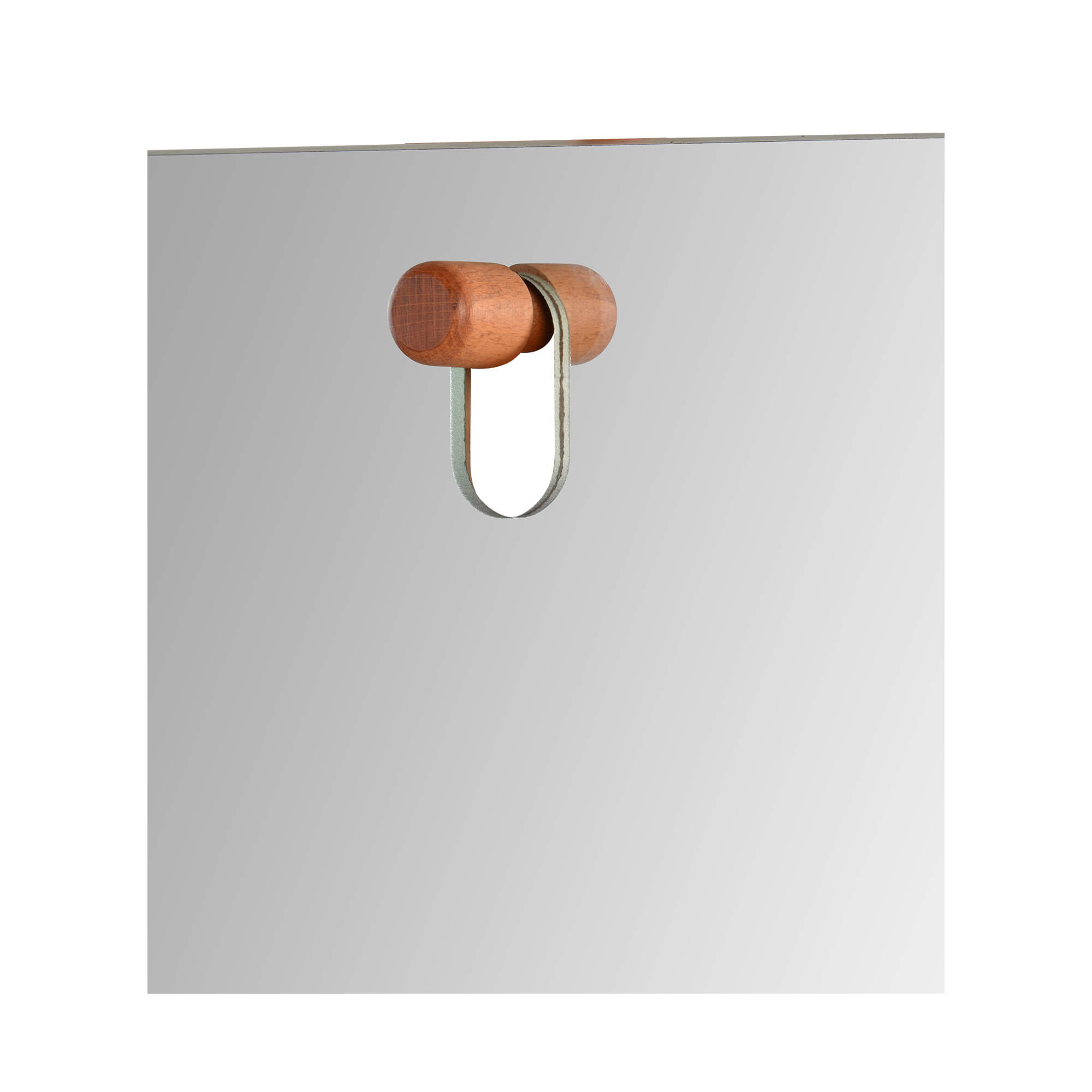
Apse Wall Mirror
A mirror is both practical and architectural. It supports daily routines—quick checks before heading out, grooming, and styling—while also shaping how the room reads. The key benefit is how a mirror interacts with light and sightlines. By reflecting a window, a lamp, or even a bright adjacent room, it can lift the overall brightness and make a space feel less confined. It also helps organize a wall: instead of a blank, unbalanced area, you get a centered feature that ties together what sits below it.
Apse fits especially well when you want a clean, edited finish. Mirrors with a streamlined presence are easier to style long-term because they do not lock you into a single décor theme. You can refresh the surrounding accessories seasonally—swap textiles, change tabletop styling, update wall art nearby—while the mirror remains a consistent, versatile element.
- Wall Mirror
- Octagon Shape
- Glass Material
- Beveled
- Vertical Hanging
A Wall Mirror Is a High-Impact Choice
When people think about “upgrading a room,” they often jump to larger projects like new furniture or paint. A mirror is typically faster and more cost-effective, but still delivers a noticeable visual change. Here is what a wall mirror can do particularly well:
-
Brighten dark zones: It can redirect light into areas that feel dull, such as hallways or corners away from windows.
-
Add depth: Reflections extend the visual field, making compact rooms feel more spacious.
-
Create a focal point: A mirror anchors the wall above key furniture pieces so the space looks finished.
-
Support symmetry: It pairs naturally with balanced styling (lamps, sconces, matching décor), which reads more polished.
Best Places to Use Apse
Placement is the difference between “nice” and “transformative.” Consider these locations and outcomes.
Entryway and Foyer
An entry sets the first impression. Place Apse above a console or narrow table to make the space feel brighter and more welcoming. If you can position the mirror to reflect a nearby window or a well-lit room, the entry will feel more open immediately. Keep styling practical: a tray for keys, a small catchall, and one decorative piece (like a vase or a compact lamp) creates a functional drop zone.
Bedroom
Bedrooms benefit from mirrors because they add light without adding clutter. Mount Apse above a dresser for everyday use and a polished look. If your bedroom is small, place the mirror where it can reflect daylight—this helps the room feel calmer and less closed-in. You can also use a mirror to balance an empty wall near a reading chair or wardrobe area.
Bathroom or Powder Room
A wall mirror over a vanity can elevate the entire bathroom experience. Apse can help the vanity area look more intentional and visually tidy, especially when paired with thoughtful lighting. If you have one overhead fixture, center the mirror carefully. If you have side lighting, ensure the mirror placement supports even illumination for daily routines.
Hallway and Transitional Spaces
Hallways are often overlooked, but they are ideal for mirrors. A mirror can break up a long run of wall and reflect light from nearby rooms. If your hallway feels tight, a mirror provides the illusion of added width and reduces that “tunnel” feeling.
Design Outcomes You Can Expect
Apse works well when you want a space to feel:
-
Brighter and more open
-
More visually balanced
-
More finished above key furniture
-
Cleaner and more curated without adding extra décor


